Showing posts with label Choosing Fishing Reel. Show all posts

Sunday, March 6, 2011

Choosing the Very Best Fishing Reels For Successful Fishing

Memories of favorite fishing trips as well as bragging rights at the time are something one keeps in their mind forever. The excitement of the day when the 'big one' took the hook and was pulled in is something to relate to one's children or other relatives. One of the things that made that such a successful day was having the correct rods and fishing reels. Without them, there could never be the story of the one that got away.
There is a big difference in the type of reel to be used for different kinds of fishing. Having the correct one can make the difference between a successful trip and coming home empty handed. A reel for inland fishing is much different from one for ocean fishing due to the size and fierceness of the fish. So the type of fishing you plan to do is an important factor in determining the type of reel you should us.

The spinning reel is a great favorite when using lighter lines, lures or bait. They are especially well received in trout and walleye fishing. Some bass anglers are also using this type of reel due to its ability to accurately place a lure in a desired spot. This can provide an advantage when trying to land the big bass.
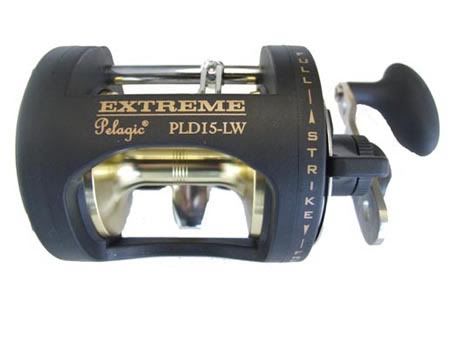
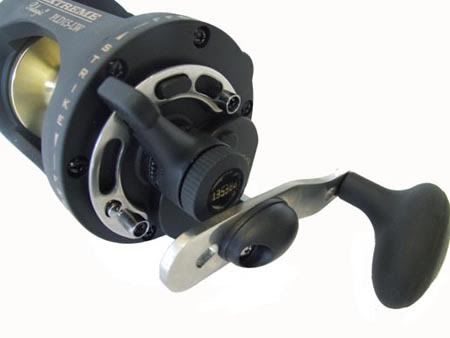
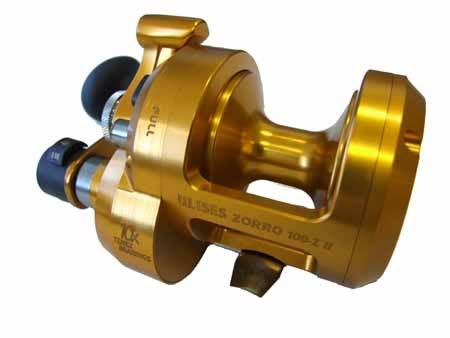
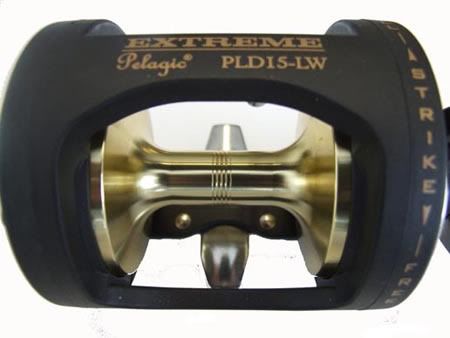
Salt-water fishing requires stronger equipment due to the size and fighting ability of ocean fish. The most common equipment for this purpose is the conventional reel. Since most ocean fishing is on the bottom or trolling long distance, casting is not normally needed.
Prices of reels vary greatly and can cost hundreds of dollars depending on the model. Some are very famous reels, such as the Abu Garcia reels, which have reported great results for a large number of fishermen. Getting the proper reel and other equipment is important and, depending on the frequency of fishing trips, one might want to purchase one of the better models.
Manufacturers have conveniently numbered all fishing reels. This indicates their size and makes it very simple for one to select the correct model and match it to the correct size fishing rod. The smaller numbered reel matches the smaller rod. This makes choosing the correct fishing reels very easy.
With fishing season now upon us, it is time to put together your tackle box. Stock it with the best gear you can find, including Abu Garcia reels and Shimano Rods. These reels and rods are among the best on the market and can be obtained online at very reasonable prices. See all the finest fishing supply at Abu Garcia Reels today.
See my previous post: Choosing the Right Fishing Reel

Choosing the Right Fishing Reel

The diversity does not seem to end when it comes to purchasing fishing reels. Stroll into any retail store catering to fishermen and get ready to be inundated with nearly continuous reel displays. So how can a beginner choose what will fit their fishing needs between a host of manufacturers, spinning reels, bait-casting reels, and many different reel designs?
Establish whether you are going to use a reel intended for bait casting or spinning for freshwater and light saltwater use. Bait-casting reels are a very frequent choice among bass anglers, considering that they hold heavy lines and have a ton of cranking power.


This is very useful when you are tugging fish out of hiding. Nonetheless, bait-casting reels are not usually a good option when you opt to fish with light lines or lures. You should practice your cast at home (preferably outside) to become experienced at how to cast this kind of reel right and to stay away from spool overruns.
If you decide to fish with lighter lines, smaller lures, and smaller baits, then a spinning reel is the best option. These reels effortlessly handle smaller diameter lines such as 2-10 lb. test. They are standard amongst trout fisherman and walleye anglers consequently. Bass anglers are beginning to utilize spinning equipment more regularly; especially with the increased appeal of finesse methods like drop shotting.
The same essential rules are applicable for saltwater fishing, but the line diameter is typically larger, because most of the fish are bigger. Bait-casting reels for saltwater are otherwise known as conventional reels. In light of their innovation, conventional reels are largely regulated to trolling and bottom fishing systems, because you do not have to cast the bait or lures as far.
Many reel producers will manufacture a particular reel model in many sizes to hold various rods and lines. Spinning reels are normally sized numerically, starting with 1000 and ending at or near 6000. The size of the reel increases with the size of the number, with 1000 being small and 6000 being the largest. A smaller reel will have a matching spool, so you have to use a smaller line diameter. Many reels will have suggestions for line rating right on the label, and will advise you on how much line the spool will hold.
Freshwater and light saltwater bait-casting reels are normally numbered with a three-number set, like 100, 200, et cetera. Higher numbers are used regularly, but the frequent naming rule is more often than not a three-digit number.
Conventional reels seem to make use of a two-digit number like 30, 40, or 50 as a rule. The idea that a larger number equals a bigger size is still appropriate. The reel or reel box should be plainly marked with line rating and line diameter options for your convenience.
These practical instructions should help you discover the right reel for your needs. Remember that selecting a fishing reel is similar to choosing the right golf club. Much like you would not want a 5-wood to do a pitching wedge's job, consider what job your reel needs to do in order to reach the best conclusion.
James Swift is an avid outdoors man who enjoys writing informative and educational articles on fishing. He has written a variety of articles including information on fishing supplies such as Shimano Reels, Daiwa Reels, and Penn Reels.