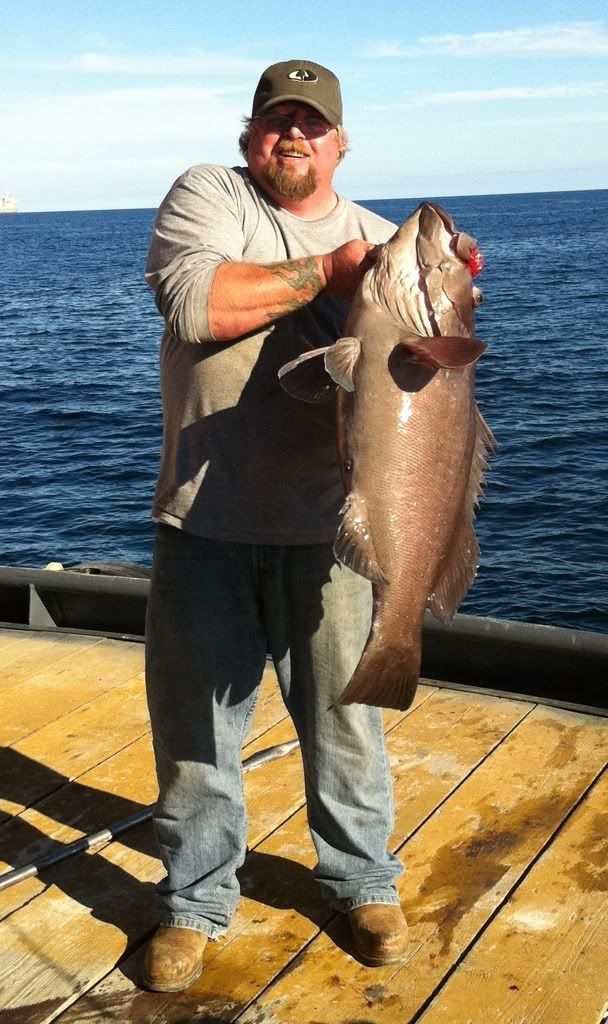
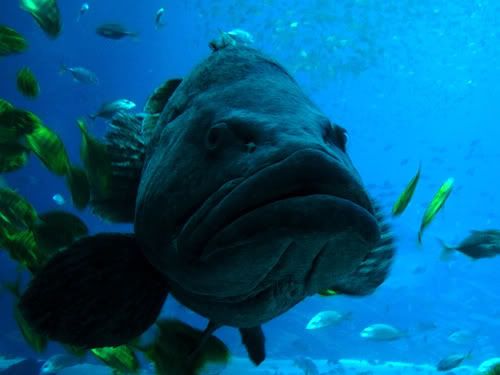
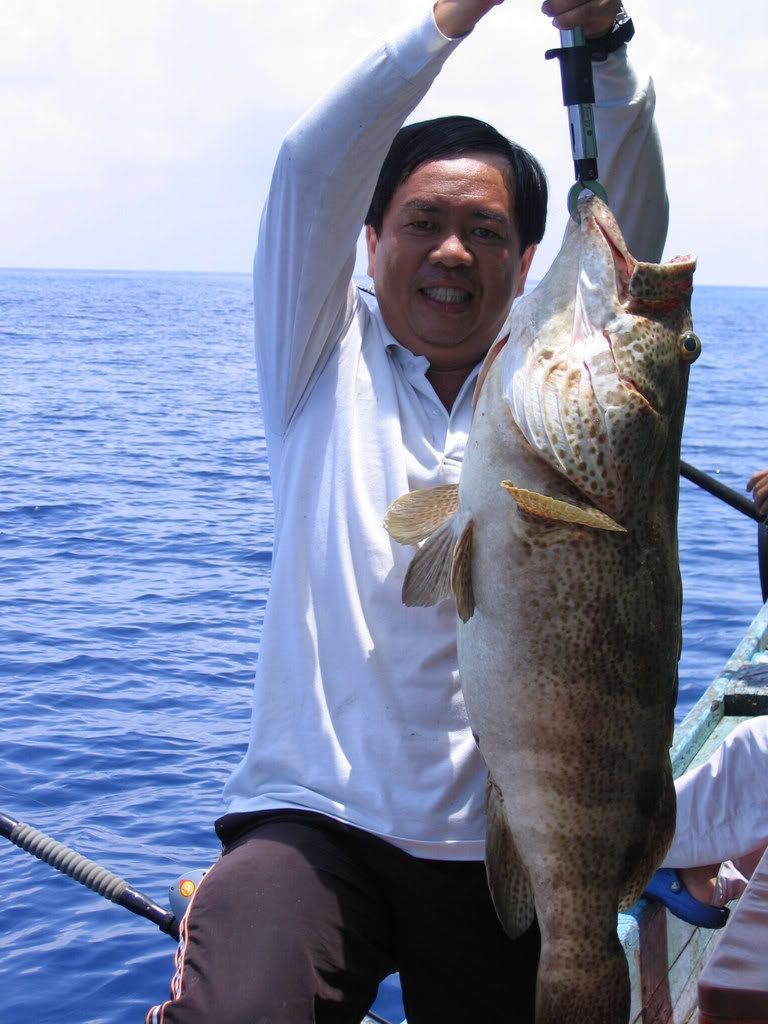
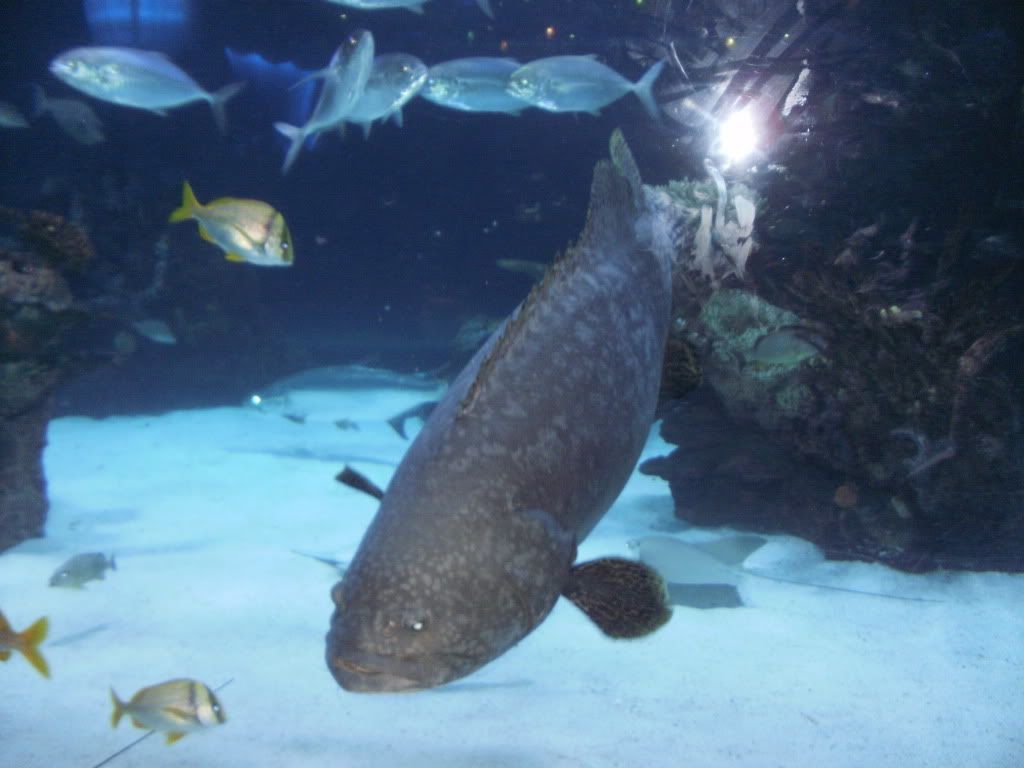
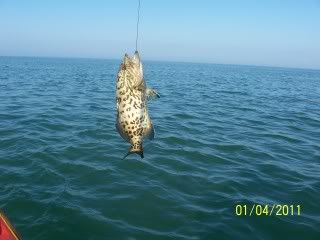
Grouper and Snapper are a commodity in the
fishing industry and every avid angler knows that there is nothing better tasting than fresh grouper or snapper. Hauling them up from 150 feet down is hard enough, and it is a lot harder if you are using the wrong bait and cannot get a fish on the line to begin with. If you are in the right area and there are big fish around, crab is a must have bait if you want to guarantee successful hook-ups.
Grouper and Snapper are natural predators to a wide range of crustaceans and when
fishing off of the east coast, there are several smaller crabs that are commonly found in the live bottom area between 90 and 250 feet. If you are over live bottom and marking fish on the sounder, it is a safe bet that if you drop a crab down, you will get some action. There are several key factors that play a major role when determining that "action"; tides, tide of day, type of crab.
First off, tides and time of day. The best bottom bite is always two hours before and two hours after low tide. Depending on the tides and the area you are fishing, trigger fish can be a major nuisance and there is nothing more annoying to an angler than getting trigger bit when searching out large game fish. To avoid getting trigger bit, you must get there early, before the sun comes up.
Trigger fish typically do not feed at dark. Check the tide charts along with sunrise and sunset and plan your bottom trips accordingly. If you are heading out early, try to arrive about an hour or two before sunrise along with the tides being an hour or two before or after low. If night fishing, make sure to pick a night where low tide occurs around midnight, allowing you to typically fish a full outgoing and incoming tide.
Secondly, bait. The type and size of bait can play a major role in what you catch, especially if there are other fish around.
Typically, when there are nice Grouper and Snapper around, you will find black sea bass, which are notorious for inhaling baits that seem to be as big as the fish itself. To avoid black sea bass, use whole large blue crabs. They are irresistible to big Grouper and Snapper, and fish with a circle hook. It is recommended to back the crab, removing the top shell, and hook the crab through the belly with the barb sticking up through the meat. This leaves enough hard shell on the crab to where the fish is forced swallow it whole, allowing for easier hook sets. If you are in an area that is void of smaller fish, which is typically uncommon, a great bait is baby stone crabs. They easily resemble most crustaceans found on the bottom at such depths, are easy to hook, and even easier for a big fish to swallow.

To recap, when bottom fishing for Group and Snapper, crabs are a great bait. Whole Blue Crabs are great to use when targeting larger fish, especially when there are smaller fish, such as black sea bass in the area. Baby Stone Crabs can be a great bait, assuming there are no smaller fish around. Don't forget it does no good to use great bait if you are not in the right place at the right time. Make sure to check the tide charts, and depending on what type of fish you are targeting, coincide your trips with both the tide and the sun.